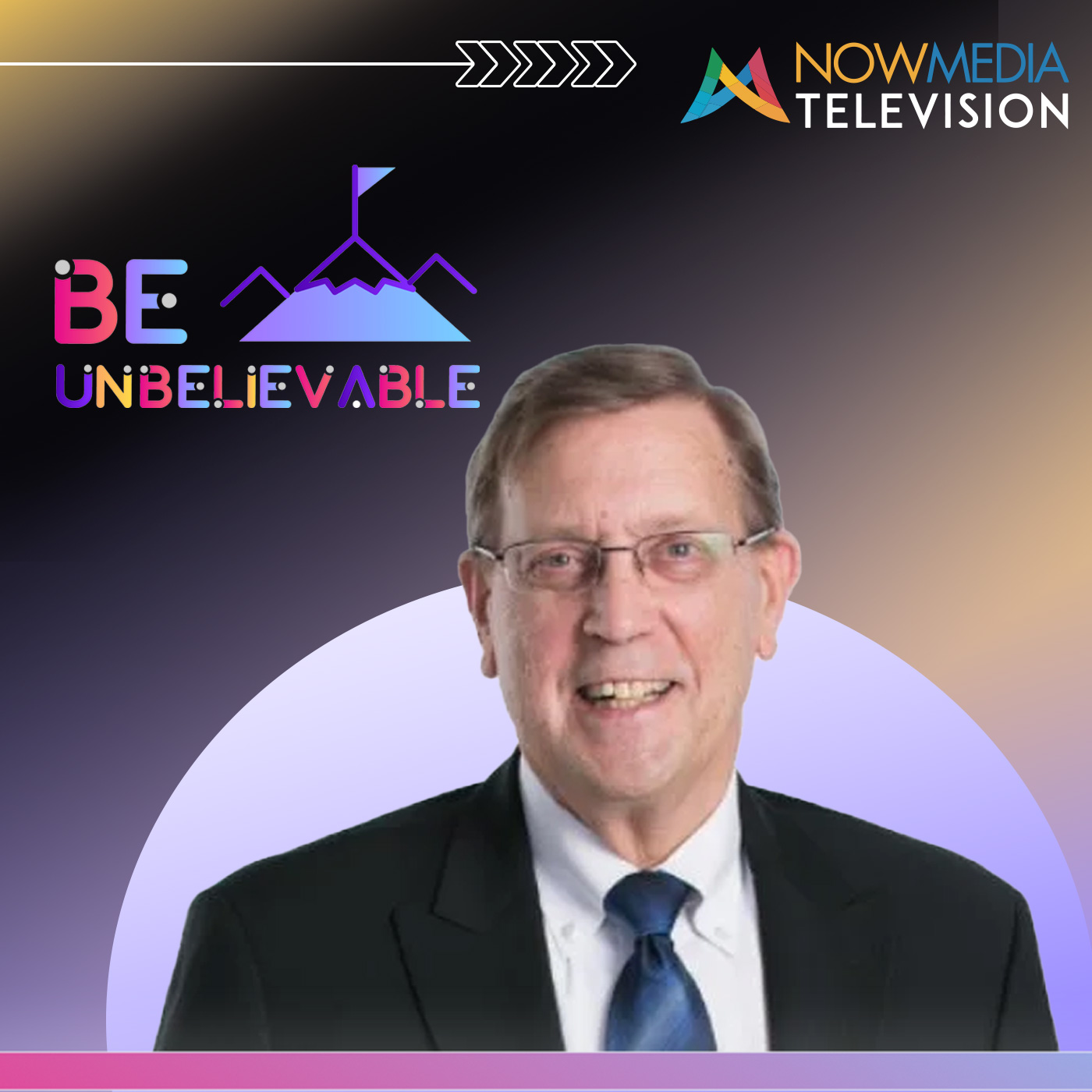
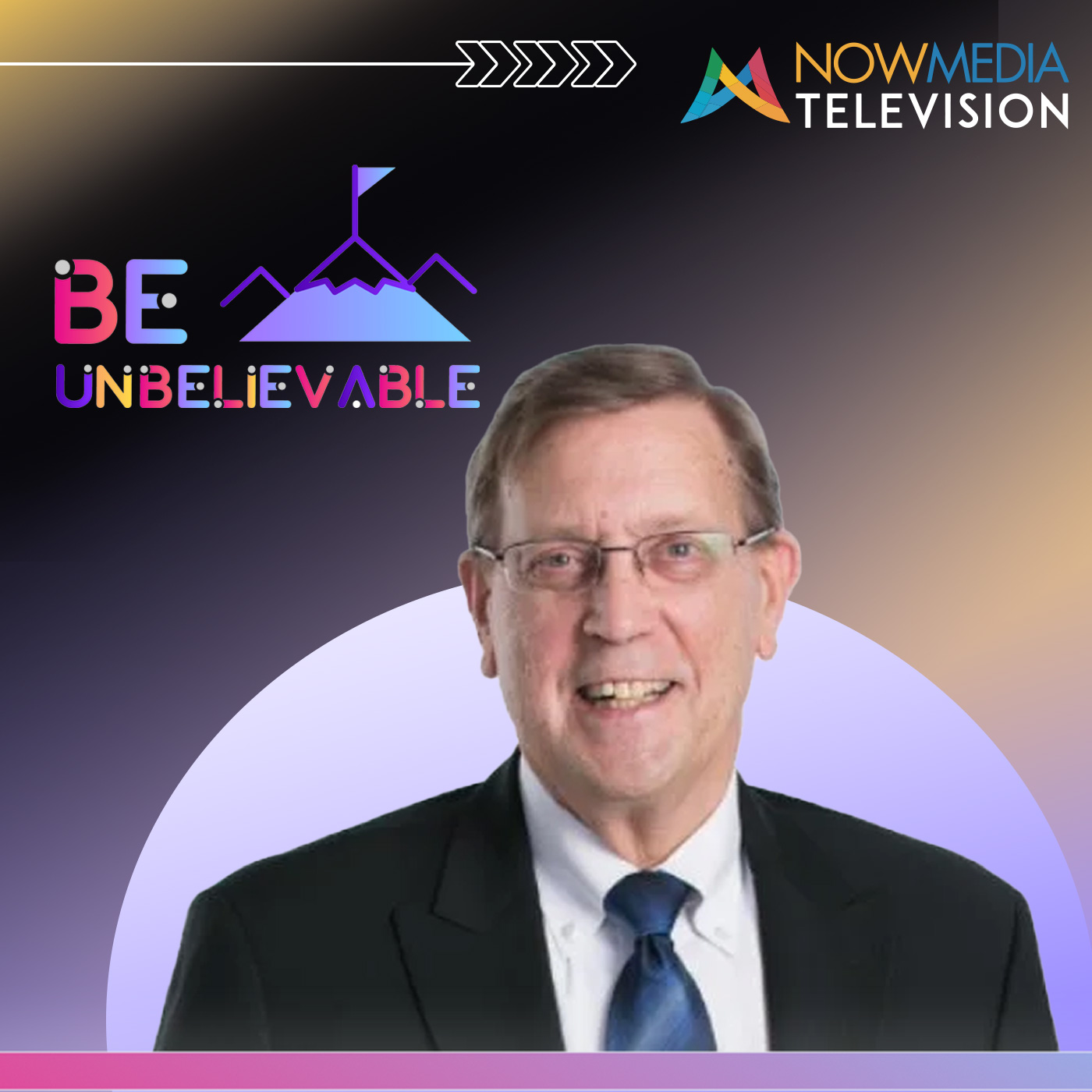
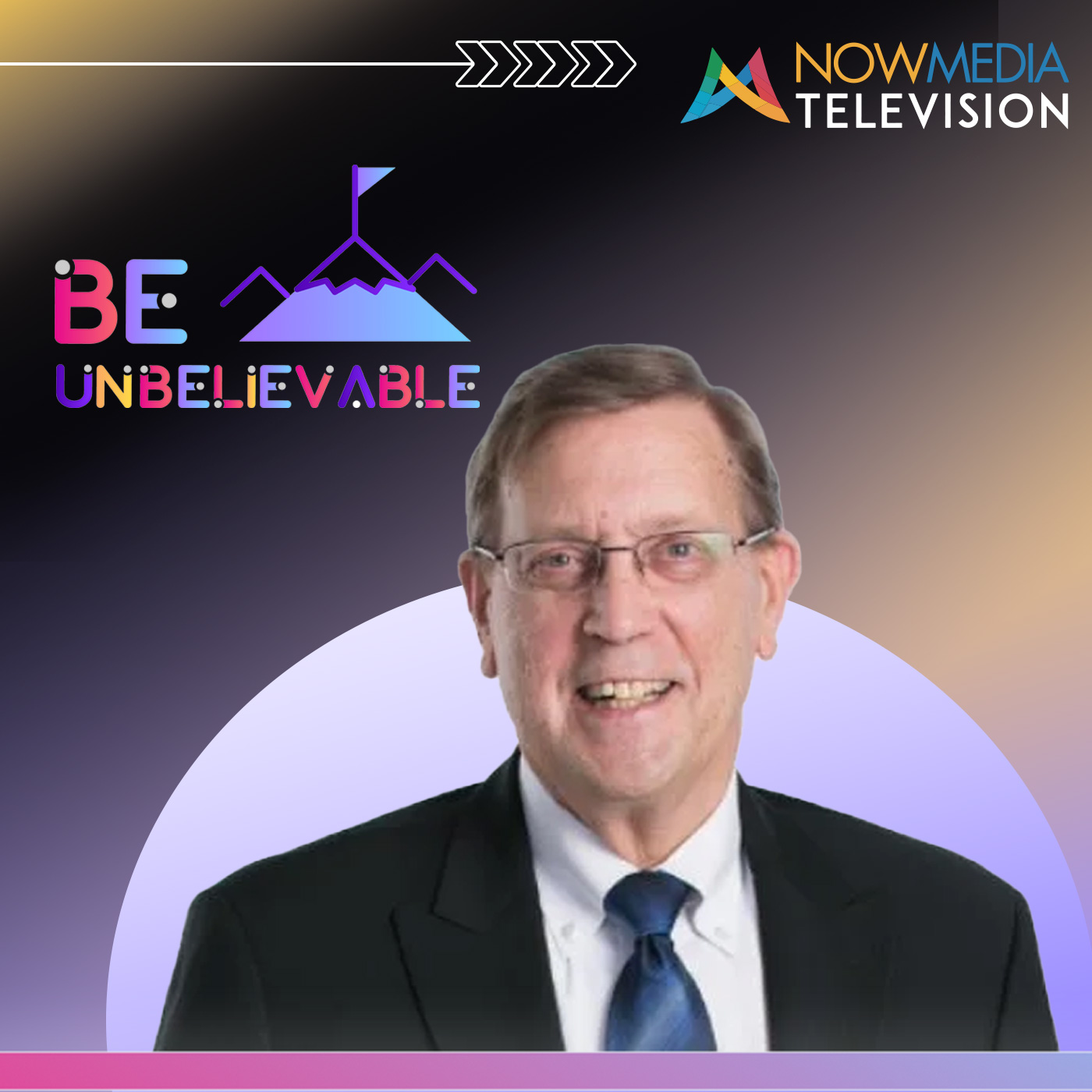
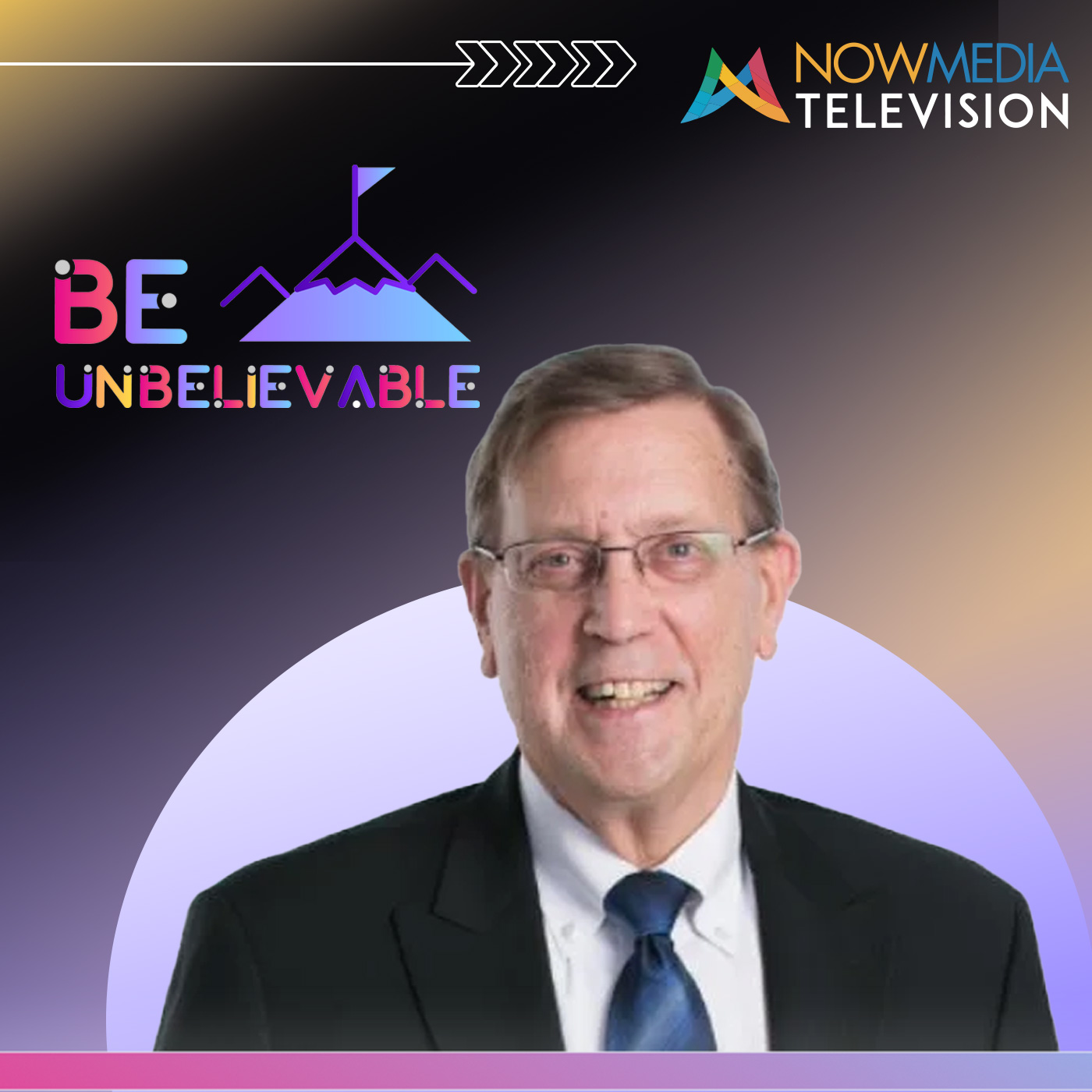
[00:00:00] Speaker A: Welcome to be Unbelievable. I'm Doug Wick, and today we're talking about the real side of business, leadership, and life.
You're watching now Media Television.
Welcome to Unbelievable, where we explore real stories of transformation, resilience, and the moments that redefine who we become. I'm your host, Doug Wick.
Today's conversation is about rebuilding from the ground up. Joining me is Kyle Hunter of general manager of European Motors limited. But Kyle's story doesn't begin in the boardroom. It begins in a cycle of incarcerations, battles with drug addiction, and years of searching for direction. Today, Kyle stands as proof that your past doesn't have to dictate your future.
Kyle, thank you for being here. I'm really looking forward to this.
And thank you for your willingness to share your journey with honesty and courage. It's great to have you here. So this segment focuses on identity transformation, the moment someone. Okay, you, in this case, decides they're no longer defined by their lowest chapter. So, Kyle, what was the turning point where you realized your life had to change?
[00:01:22] Speaker B: Yeah. Yeah. So a lot of times, you know, when I think about my story, a lot of times I was labeled as a drug addict or a convict or a bum, but my identity isn't wrapped up in that anymore. My identity changed to where.
Gosh, can we just. Just. Can we restart?
Yeah, it's not a big deal.
Yeah, I just get really nervous. Sorry. You know, this is edited for later, so, you know, don't.
[00:01:59] Speaker A: Don't. Don't worry. I mean, leave. Leave this out if you want.
[00:02:03] Speaker B: Perfect.
[00:02:03] Speaker A: Yeah, yeah, if that. Because that's. That's what I. The. The last couple ones.
[00:02:08] Speaker B: Yeah, Yeah.
[00:02:08] Speaker A: I had the script from them, so I knew what. So, you know, just feel free to. Should we start over or. What should I do? I'll just keep going. Okay.
[00:02:19] Speaker B: They can cut and edit this later.
[00:02:20] Speaker A: Okay. All right, so.
So again, we're talking about a turning point. When or where were you when you realized your life had to change?
[00:02:31] Speaker B: Yeah. So my story really starts In January of 2020, when I first got out of prison.
I had initially went right back to what I knew and which was a life of crime and drug addiction. And after getting out, there was about this month, period, month and a half period where I spiraled worse and worse and worse and had just fallen back on things that I had known.
[00:03:00] Speaker A: Yeah. Can I ask you a question? Because you told me that while you were in the prison, in solitary confinement, you had read books, several books of that, that you felt. And yet, despite Having read those books and had this. You. You actually maybe talk about this later.
[00:03:20] Speaker B: Yeah.
[00:03:20] Speaker A: You actually had a. You knew what you were going to earn, what you were gonna. Yeah, but that didn't help here is what it sounds like you're saying. Right.
[00:03:29] Speaker B: So I guess I. Technically, then my story really starts in 2013, when I got out prison for the first time, and I was 25 and homeless and living on the streets.
It was cold. Like, Iowa cold. The kind of cold that doesn't care how tough you are. And I was. I was really frustrated, and. And, you know, because I had all these obstacles and barriers, like, I couldn't get an ID without a Social Security card. I couldn't get a Social Security card without an id, And I was just caught in this trap of this poverty mindset, but eventually found a mission of hope, which kind of acted as a landing place for me. It was a homeless shelter, which actually the homeless shelter ended up hiring me, third shift to be an ra. But while in prison, like, I had read a lot of books, like you were saying, and I.
They empowered me to, like, really think about things in a more deeply, deep way. And. And some key themes that really stood out during that time were ideas like mentorship and sales. Like, I have read a lot of books that had encouraged me, that basically had said something to the effect of, like, if you don't have a lot of education and you don't know what to do, but you're wanting to achieve a lot, maybe sales is your route. And so that always stuck with me. And so when I got out, I followed that path, and I was living in a homeless shelter, and I ended up going to the closed closet, and I put on what I thought was a dress shirt, but it was some shirt from the 70s with this big old collar. I ended up walking up to the only car dealership I could think of, and it wound up being a BMW dealer. And I walk in, and I end up talking to the receptionist. And it just so happened that the general manager was right behind them, and. And he didn't want to waste anybody else's time. Generally, there was a process of getting hired, and he wanted. So I was able to supervent that in part because of how ridiculous I look.
So I went into his office and I sat down with him, and we're kind of talking, and he's like, well, where did you go to high school?
Did you play any sports in high school? And I'm like, well, I didn't even go to high school. In high school, like, I dropped out in sixth grade and we got to talk to some more. And he said, well, you got to have a high school diploma. I mean, we sell new BMWs and we got to talk to some more. And he said, well, you don't have any, like, baggage or any felonies or anything like that? I'm like, Nope, I got 58 felonies. And he's like, we deal with people's credit, and so, you know, that's not going to work. We talked some more, and he's like, well, you at least have a driver's license, right? And I'm like, nope, never had one. And so the general manager had asked me, like, well, what possibly made you think that you would be qualified for this job? I mean, you got 58 felonies, you don't have a driver's license, you have a sixth grade education. Like, what possibly made you think you'd be qualified for this? And to this day, I don't know where this came from.
Probably years of just being hungry and feeling beat up and all that. Like, it all just came. Came to a boil. And I blurted out, because every single day, you don't hire me, your company's losing money.
And yeah, it surprised me just as much as it did him, but he must have believed me because he hired me, gave me a shot. And so that was my introduction into sales and really the first time I had broken outside of it. But none of that would have been possible had I not, you know, read books and had been kind of preparing my mind, opening my mind to some different ideas and philosophies. So cool.
[00:07:04] Speaker A: And that happened in 2013.
[00:07:05] Speaker B: Yeah.
[00:07:06] Speaker A: Now you were talking about 2020 when you got out of prison. I don't know how many times.
[00:07:11] Speaker B: Yeah.
[00:07:11] Speaker A: You've been.
Being in and out of prison had to be difficult. What.
What was the hardest mental part of the.
The, you know, because you. You got out, you'd read these books.
[00:07:23] Speaker B: Yeah.
[00:07:24] Speaker A: And here you are spiraling down again. And was that because you said you didn't have a license?
[00:07:29] Speaker B: Yeah.
[00:07:29] Speaker A: And you couldn't get a Social Security card?
Is that. Yeah, at that time.
[00:07:35] Speaker B: So.
So, yeah. So I ended up having a really great sales career. Things went really well, actually. So well. Like, I had thought for so long that that money would solve all my problems. But I quickly found out that money, really, I just exasperated them. And so I end up, you know, I found all the things, you know, so I was finally making money for the first time. So I had it broken free from poverty and living on the streets.
In fact, the first time I got salesman of the month, I was still living in the homeless shelter. So I was driving a brand new BMW back and forth from the dealership to the homeless shelter, which is pretty wild if you think about it. But. Yeah, but all the. You know, and I remember two years in to selling cars there. I'd been salesman of the month pretty much for two years straight and was in the top 1% of BMW salesman in the nation.
But my life was just in complete shambles. And all the things, drugs, alcohol, women, everything you could think of. In fact, I had this workout partner at the time who had told me, kyle, mark my words, your character will take you someplace. I'm sorry, your talent will take you someplace your character can't keep you.
And that just bounced off me like a rubber bullet.
But I wish I would have took that more seriously. But little did I know, a month later, I'd be on the national news. And we can talk more about that if you like.
But the results of that was I end up falling back into a lot of the same negative mindsets and everything I was involved in before, and I ended up fast forward. I got out in 2020.
[00:09:14] Speaker A: Yeah.
[00:09:14] Speaker B: And went right back to what I knew. But there was this breaking point, and that's the part, like, I really want to talk about, like, where I came to the end of myself.
[00:09:23] Speaker A: Well. Yeah. How did you begin to believe.
[00:09:26] Speaker B: Yeah.
[00:09:26] Speaker A: In a new life. And how that. That something was possible. I think, because that, I'm guessing that's where you had to get to if you came back and you were doing the same things you were doing.
[00:09:36] Speaker B: Right. Yeah, Doug. I call it the gift of desperation. And so I had came to the end of myself where, you know, some people talk about it being rock bottom. I call it the gift of desperation. And just one night, I had made a decision that something needed to change. And.
And so for the first time, I really reached out. People had been kind of planting seeds throughout my entire life. And for the first time, I made a decision to take a leap of faith and reach out to one of these people, which was a mentor of mine. And I ended up meeting with him at a local cafe, and we sat down and we talked, and I started pouring my heart out to him. And it was in that moment something inside of me broke, but broken in a good way.
[00:10:25] Speaker A: Yeah. Yeah. So you.
That moment of, Tell me. Basically being vulnerable.
[00:10:32] Speaker B: Yeah.
[00:10:32] Speaker A: Had you felt like you've never been that vulnerable before? Is that.
[00:10:37] Speaker B: I think what it was was that Like I had so much fear and anxiety and pride and ego leading up to that that I, I didn't have any real ability to break through. Like I was just.
But in some people's lives, you come to this point where something breaks. And in this point, I think it was my pride and ego, fear, all these things. Like you just come to an end of yourself where everything's so broken that you have an opportunity to receive something new. And that's what happened to me. I came to this point at and myself where I'm like, all right, the things that have served me for so long are no longer serving me and I'm ready to put those things to death.
[00:11:17] Speaker A: Yep.
So talk to me. What about what? What do you feel being unbelievable? What does that.
[00:11:25] Speaker B: Yeah.
[00:11:25] Speaker A: Term mean to you?
[00:11:27] Speaker B: Yeah. So unbelievable. So for me it was, gosh, there's so many different things but like, so one of the main things is that I had to put the, you know, end a lot of these preconceived not notions. I think the stories that we tell ourselves are so important. And so I had all these false beliefs and I had to begin to systematically going through and putting the end of these false beliefs and creating new identity.
[00:11:55] Speaker A: Okay. Okay, beautiful. I think that's something we'll get into as we go through this. So thank you. Thank you.
Coming up, we'll be talking about the discipline, the daily decisions required to stay clean and rebuild trust and create momentum towards success.
Welcome back to Be Unbelievable. Stay connected with this show and all Now Media TV programming live or on demand anytime. Download the free Now Media TV app on Ruko or iOS for non stop bilingual programming in English and Spanish on the go. Catch the podcast version at www.nowmedia.tv.
from business to culture and stories that inspire.
Now Media TV streams 24. 7 wherever you are. All right, so welcome back to Be Unbelievable. I'm here with Kyle Hunter. In this segment, we're going to talk about breaking destructive cycles and what it truly takes to stay out. Once you've been in addiction and incarceration often become repeating cycles. This segment explores the discipline, environment change, accountability and rebuilding credibility. Kyle, what practical steps helped you break that cycle for good?
[00:13:39] Speaker B: Yeah, so I would say first and foremost it was identifying a lot of thinking errors that I had.
One of them, one of the prevailing thought that I had or belief I had because I believe the biggest factor that can change your life is the stories that you tell yourself. You know, if you're constantly telling yourself these stories of negativity and destruction like that's probably going to be the result of your life. And so one of those stories that I routinely told myself was that, that the world was full of people conspiring to do me wrong. And I operated from this place and. And I probably had good reason to operate from that place. I grew up in an environment of chaos and trauma, and then I lived on the streets. And so there was oftentimes people trying to take advantage of stuff. And so I was purely operating from this place and perspective that the world was conspiring to do me harm.
One of the biggest moments of my life where I felt like I had breakthrough was, you know what? I'm going to choose to believe a different story.
[00:14:45] Speaker A: Story.
[00:14:45] Speaker B: And one of those stories that I chose to believe was I'm going to choose to believe the world is conspiring to do me good. And so just imagine you got two people operating from two different completely mindsets. You have one person operating from this mindset that everywhere they go, people are trying to hurt them and take advantage of them.
What outcomes do you think that their life is going to generate? And then you have another person who's operating from this place where you believe that people want to help me. People are on my side, People are rallying behind me. People are willing to help me. Well, where do you think the net result of their life is going to be? And so when I made that switch that I'm going to choose to believe that the world is conspiring to do me good, opposed to believing the world's conspiring to hurt me, that was a huge breakthrough. And so I believe we're not meant to do this alone. We're supposed to do this, this in community, that we're supposed to have mentors and disciples, and that we should be involved with people much bigger than ourselves. And so once I started realizing that I don't have to do this on my own, that there's a world out there of people who are willing to help me and who genuinely are good things in my life started shifting. I started reaching out to people. I started building a team. Team of people, primarily men who acted as. As accountability and business leaders. And so there was a lot of things that, like, aided with that. I was really lucky. After I had made that, that decision, I told you about a month after I got out of prison, things in my life started falling in place. I ended up getting. I met my wife soon after, and she. She comes from a farm in northeastern Iowa. And. And she comes from a good family, farming family. And so for the first time I had family and the importance of that and just feeling like you're loved and.
But then also I, I got a job in a ministry. And so I was in car sales years prior.
But after I made this change, I didn't know if I was quite ready or quite strong enough to go back to car sales.
But I had this set of skills I had developed over several years that I wanted to put to use. And so I chose to use that in a non profit profit realm. And I became a development director. And that was one of the best decisions I could have made.
One, I got to use a skill set that I had historically used not so good, not so good for good, and to use it to raise money for our organization. I really believed it. But it also opened me up to a lot of these, these retired businessmen.
And so I got to expand my site, my circle. And these men were men who were. There was three or four of them who had grown large companies and we were retired and they were in this phase of life where they were giving back. And I was a beneficiary of that.
And so like I was allowed into their circle of fear of influence and leadership. And I got to see that, like, these men think differently, they act differently, they carry themselves differently, they approach problems differently, they communicate differently.
And what I had learned was that my preconceived notions of leadership were wrong. Like I thought, you know, coming from this poverty mindset, that leadership and strong masculinity and all these things that I had preconceived notions. Like I thought it was about being aggressive and tough and being. But it wasn't. It was about being authentic and trustworthy and leading from the front and.
And so like, I had a lot of unlearning to do.
And so those first two years of getting out of prison, I was so lucky, blessed to have these men that I leaned into and I just would watch them, the way they would interact and the way they would.
When something unexpected happened. Their natural inclination wasn't to get mad, actually, their natural inclination was to laugh. Like, oh, that's like an unexpected. This is an opportunity to learn, this opportunity to grow. They looked at crisis differently than I had historically looked at crisis. And that was just such a, it was such a mind opening thing that I'm like, gosh, I think, I think like slowly over time I'm like, I think, I think I've been getting this wrong. So I had to like. And it also opened up a big world to me. Like, I remember I remember being in jail and again, operating from that poverty mindset of homelessness, and, you know, like, you just don't know. Like, you don't know what you don't know. And I remember having this thought, looking out of the prison bars, looking down on downtown Cedar Rapids, and I remember saying to one of the other, having this debate with his other inmates, like, do you think people own all these buildings down here? Like.
Like, I know it sounds weird, but it's like, I. Coming from such a hole or such poverty, you're like, you.
[00:19:45] Speaker A: You.
[00:19:45] Speaker B: You think that people are power, control, or the guys on the streets, and they're not. You know, the people making the big decisions and. And changing the world are not the biggest people that I thought they were. They were different. And those people operate from a different set of rules than I thought or I understood. And so it was those. That first two years was really pivotal for me to learn and rewire some things.
[00:20:05] Speaker A: So, yeah, we talk about this in the program that I coach.
Change your mind, create new results. The idea that we're programmed into the familiar, and we're. 95% of the time, we're running on unconscious programs, which is what you were. And what we have to do is become self, aware, which, again, that's what happened to you. The other thing that I recall from some of our conversations was you told the story, I think, Christmas. I think you put this on Facebook, and it was about a picture of some lawyer, I think, who you didn't know was a lawyer or a judge, I think, that you just had gone in and destroyed. And it was this poverty mindset that this person had all this stuff. And do you remember that story? A little bit?
[00:20:57] Speaker B: It's the burglary I committed. Yeah. Yeah. So when I was 18, I originally got in trouble for a string of burglaries I committed. And the. Doug, there's. There's no right house to break into, but there's definitely the wrong house.
One of the houses I broke into was a district attorney's house. And when you break into a house, just a normal house, you know, some people are looking for you, but when you break into the DA's house, the entire world.
And so, yeah, my whole world came crashing down.
But, yeah, I think that's what you.
[00:21:33] Speaker A: Well, yeah, in the mindset, though.
[00:21:35] Speaker B: Yeah, that.
[00:21:35] Speaker A: That. That I.
What I gathered was how. How we have a tendency to. To just say these people are bad, you know, and look at. Look at you as being just a bad person destroying property, and yet when you Tell your story, you understand your mindset. And that's what we got to work on changing. If we're talking about criminals and people in prison, we've got to change how they think.
[00:22:01] Speaker B: Yeah, for sure.
[00:22:02] Speaker A: Yeah, absolutely. You change how they think, they're going to act differently and behave differently. They're going to make different choices and, and, and get different experiences and experience differing feelings, which is exactly what I hear you saying.
[00:22:16] Speaker B: I think, I think criminality as a whole is, is. Is a root, is uprootedness. Not having roots, not having connection to other people. And the more you feel connected to
[00:22:32] Speaker A: other people, the less likely you are to destroy others.
[00:22:35] Speaker B: Yeah. Yeah. So, like, I mean, it was so easy for me to break into people's houses and to commit crimes because I felt so disconnected to the world around me. And so by proxy, like, the, the way to combat this is to help people feel more connected.
[00:22:49] Speaker A: Yeah.
[00:22:49] Speaker B: And so I unconsciously did that. When I got out, I was like, if I'm going to change, I know I need to connect with other people. And so that was that, through that connection that things in my life started to shift and change.
[00:23:00] Speaker A: Yeah. So the mentorship and the environment play a big. A big difference in your life and making change. What. What do you, you know, for someone watching.
[00:23:10] Speaker B: Yeah.
[00:23:11] Speaker A: Who feels stuck.
[00:23:12] Speaker B: Yeah.
[00:23:12] Speaker A: What do you feel is the first step?
[00:23:14] Speaker B: Well, for me, I mean, because, you know, faith is a big.
My story. And so, you know, for me, step one is, is surrendering your life to God, but immediately after that, it's finding a mentor who's able to hold you accountable. But then lastly, I think you need to be part of an even larger, bigger group. And so for me, I found that through a church community, but other people could find that support system through lots of different ways.
[00:23:42] Speaker A: So the gentleman that you reached out to accepted God, Jesus at that point? No. So that was.
[00:23:49] Speaker B: Yeah.
[00:23:49] Speaker A: So you actually reached out to this individual because you had a relationship with him and asked him. Just. You just decided, I'm vulnerable, I need help. I. I need.
[00:24:00] Speaker B: Yeah.
[00:24:00] Speaker A: Somebody to help me.
[00:24:01] Speaker B: Yeah. So, yeah, it was 100 that. And so that's like what I'd like to tell your audience. Like, you never know. You never know the impact you're going to have. And so people. So not just this person, but a lady in my life had been planting seeds for decades. And. And it wasn't until, like, I came to this. This breaking point was I finally able to. It was when I was at my breaking point, it was these seeds that I would Rely and fall back onto. And so that acted as a catalyst, like, yep, I need to reach out for help. And so. But had these people not been planting seeds for a decade, I would have never known to.
[00:24:35] Speaker A: Yeah, yeah. So, Kyle, where can people find you? Where can they.
[00:24:39] Speaker B: Yeah.
[00:24:39] Speaker A: Find. Find information about you because you're general manager of European Motors, but there's also a project you've got coming up, a movie, Right? Tell us about that.
[00:24:49] Speaker B: Yeah, so we have a movie and a book coming out, both under the same name, Killing Kyle Worth. And again, the pay tribute to what we talked about. It's on the surface, Killing Kyle Worth is about how God redeemed a hopeless drug addict. But what the sort of story is really about is how a community of believers came around and loved me until I could love myself. And so. But yeah, you can find out more about
[email protected] we also have a Facebook page under the same name, Killing Kyle Worth.
But yeah, I'd love to connect and see where this thing goes.
[00:25:22] Speaker A: Super. Yeah, super. And. And just so listeners know, Orth. Kyle, Orth is your.
[00:25:28] Speaker B: Yeah.
[00:25:29] Speaker A: Previous name, right?
[00:25:30] Speaker B: Yep. Correct.
[00:25:30] Speaker A: Yep.
[00:25:31] Speaker B: So my new last name is Kyle Hunter.
[00:25:32] Speaker A: Yep. All right. Yep. So next we're going to talk about leadership, how someone with your background can earn authority and respect as a general manager.
Welcome back. To be Unbelievable. Kyle, you. Your journey from incarceration to business leader is extraordinary. Let's talk about leadership and what it means when you've lived both extremes.
[00:26:10] Speaker B: Yeah. Yeah. So I, like I had said in our last segment here, I had opportunity to learn from a lot of leaders while at my time at the nonprofit from these business leaders.
And so I got really lucky that, that I have. I got to learn from these guys who truly lead from the front. And so leadership, like, so my preconceived notion from my youth was that leadership was about power and control and dominance and like aggression and. And I had a lot of things to relearn, especially from my time in prison. Like, so again, also in prison, like, you have all these things that you learn. So you, for example, like, you,
[00:26:57] Speaker A: you
[00:26:57] Speaker B: don't want to fall victim in prison, which is possible. And that can lead to a lot of different things and look a lot of different ways. And so in prison, you learn this tendency that you need to overreact. And so if somebody takes your food, you got to act aggressively. If somebody cuts you in line, you got to act aggressively, because if you don't assert dominance, then it will lead to other forms of victimization. And so. So you gotta, like. And so, like, I carried that when I came into the world. Like, somebody would, like, do something to me at Walmart and I would flip out, like, and I'm learning that those things don't serve you. And so I. It was so hard to learn how to put the rest. Things that once serve you, but no longer serve you. And so those things kind of led into, like, the way I led early on. Like, I was just really aggressive and really, like, trying to be forceful and to. Trying. Trying to dominate things. But as I grew and I matured and I watched other leaders, none of that was true, not at least from the leaders I wanted to replicate or the ones I saw being most successful. And so these were servant leaders. These were people who led from the front, and they led through relationship, and they led through trustworthiness and authenticity. And so it took a long time.
So I was a general manager at another business before I came over to European Motors. And it was one of those situations where, like, you know, I probably got really wrong in the beginning, and then in the middle, I got a little less wrong. And towards the end there, like, I started getting it figured out where I. Where I didn't act that way. And now at European Motors, like, I have 17 staff, and I truly try to lead through a relationship and from the front.
And what does that look like? I mean, it looks like you wear a lot of different hats. And a lot of times I find myself being a counselor and a therapist.
A lot of times those things don't end at the end of the workday. And so a lot of times on the days off or on the weekends, I'm having to take calls. And a lot of times this looks like, you know, meeting up with a technician and at a restaurant because he's dealing with something with his girlfriend or with alcoholism, like, hidden. So you're needing to, like, be relational, but it's also about, like, setting good boundaries, and it's also about, like, you got to make sure you're in a good place, too. Like, you can't lead from the front. You can't lead as a servant leader. If. If you're mentally in this place of. Of. Of, like, if your mind's spiraling and you're.
[00:29:34] Speaker A: You gotta walk the talk.
[00:29:35] Speaker B: You gotta walk the talk. And so you. I. I've learned over the course of the last several years, like, how to carry myself with more, you know, poison and slow down and ask more questions, and. And so I would say those were the. The.
The biggest things in leadership, I've had to learn over the last few years.
[00:29:56] Speaker A: There's a book was written in 19, I think 84. I could be wrong. Elvin Toffler, the book, he has a quote, the leadership of the future needs to learn, unlearn and relearn. And it sounds like.
I mean, from. Because I remember you telling that story about how aggressive you had to do just to be. To protect yourself and how the. I mean, the prison system is really teaching the wrong lessons. And you had to. You learned that you had to unlearn it and then relearn from the mentors and the people you had.
[00:30:38] Speaker B: Yeah, absolutely. Yeah. And so, like. Yeah, it's just. It's forced me to grow in a lot of different ways.
[00:30:43] Speaker A: And.
[00:30:43] Speaker B: And also the.
The biggest thing is, like, how do you deal with stressful situations? And so I've. I've had to learn to navigate that. And luckily, I've had a lot of practice.
[00:30:58] Speaker A: Yeah.
[00:30:59] Speaker B: And so this is an area I continue to grow in. And so I. One of the things that has been really helpful for me to, like, just be in this place of more positivity, obviously, like, praying for me as a believer is. Is pivotal, but beyond that continuously. And like this, maybe, like, I call it worship, but, like, getting myself into this state of gratefulness and appreciation is. Is really pivotal. Anytime I start to see my brain to start racing and myself starting to go down this spiral, I just immediately, like, I start to look for the beauty in the world.
Like, Luckily, I live 45 minutes away from where I work, and there's just these rolling hills and these farms, and right now there's snow scattered out and the sun rises. And as I'm coming in, I really try to focus on that. And to me, that shows God's glory and all those things. And so I just really try to focus on the goodness and God. And to me, it's evident in the world and the landscape and, you know, a little bit of snow on the roof of this farmhouse. I just. Instead of worrying about, you know, some auction in New Jersey trying to screw me or the titles that are all messed up or how a wholesaler misrepresented a car, like, I could be thinking about those things and focusing on those things, but by the time I get into work, I'm a mess. I'm a disarray. I'm already starting from behind, and. And so I just choose not to start my mornings that way. And I choose to use my drive home in a different way, too. And so it's Forcing yourself to be in this state of gracefulness and appreciation that has really made the change for me, you know, And I read a book, it's a Ryan Holiday book, the Obstacles the Way.
That book was really awesome.
[00:32:55] Speaker A: Awesome book.
[00:32:56] Speaker B: Yeah, it changed a lot of things. Like, because here's the deal. We humans are really, really bad at knowing our perception is really bad. Like we knowing what's good and knowing what's bad in terms of outside of biblical truths, for me, like, it's really bad. Like, you say you're driving down the road and you hit. Start hitting every red light. We immediately think that's, you know, but. But we don't know what happens. If you would have been to green light, you might have got creamed in next interception, intersection. And so I'm trying to reframe things that like, as long as I'm doing the right thing, as long as I'm trusting and relying on God, I'm choosing to believe that obstacles that are putting in the way are somehow for my good. And when I reframe that way, when bad things happen, I'm starting to do what the leaders and mentors had done in my life. Like, you know, something unexpected happened. Instead of just immediately getting angry, I just go, well, that wasn't, that wasn't on my big. Okay.
[00:33:58] Speaker A: That was unexpected.
Yeah.
[00:34:00] Speaker B: And so like, and then like when you're, when you approach things that way, you know, with your hands open, asking questions and being, you know, opposed to like, I'm angry and I'm frustrated. You're already starting behind. Like, it just has two entirely different outcomes.
[00:34:15] Speaker A: Yeah. I think there's a book I read, I remember, and I haven't reached this level. But when something bad happens, if you believe God loves us more than we love ourselves, the first thing you should do when something bad happens is ask God, where's the good in this? Where's the good in this, Father?
And believe me, doing that when somebody cuts you off or whatever else is really difficult. But that sounds like the mindset.
And it is, I think the other thing that people don't know, and you mentioned this, it's a choice.
[00:34:47] Speaker B: Yeah.
[00:34:47] Speaker A: You can choose that. And that's what we have to have to do. And one of the things again, we do in our change of mind, creating results, is make sure people know. It's how we think, but it's also the choices we make with what we think.
[00:35:00] Speaker B: Yeah.
[00:35:00] Speaker A: So here's a question for you that I have. How do you handle. Because I know this is occurring. How do you handle doubt from people who. That know your history.
[00:35:10] Speaker B: Yeah, man, I've ran into to this a lot over the years. You know, we.
So a little over a year ago, so, like 15 months ago, we started on this Killing Kyle Worth project.
When the filmmaker Tiege had reached out to my wife and I about doing this project.
Oh, my first reaction was like, oh, boy, this is gonna stir up some. This is gonna stir up some stuff. Because my wife and I had. We had moved on. You know, like, we had moved to a different town. I'm on city council and the town I live in, and we had completely moved on. Like, I. I.
Most of the people and certainly in that town didn't know my past. I was back at European Motors. A lot of those guys didn't know my past. And so I knew that launching Killing Kyle Worth was going to stir up a lot of things from the past. And it's.
[00:36:04] Speaker A: Yes.
[00:36:07] Speaker B: You know, but it's. It's allowed me to grow. And. And more than anything, it's. It's caused me to.
It's caused me to trust God more. It's put me in situations. And so we've had a couple situations where, like, maybe exes or people from my past have, you know, they just. They only knew that version of me. And.
[00:36:30] Speaker A: And so they want to hold on to.
[00:36:32] Speaker B: They want to hold on to that
[00:36:33] Speaker A: and make you pay. You should have consequences. Yeah.
[00:36:37] Speaker B: Yeah. I.
What it's done is it's forced me to my knees more times than I can count, and it's placed me in a position where I've had to have greater reliance on God. And what it's really caused me to do is, like, you know, so I go through this cycle of, like, initially I'm mad at them and then.
But where I always end up every time is that I hate sin.
It causes me to, like, get to this place of where, like, I just hate. I hate sin. I hate it. Like, it's destructive and it's evil. What it does to us and our bodies and what it does to other people. Like, I hate it. And in contrast, I love what is good, and I love righteousness. And so, yeah, so I. I routinely find myself in a situation where people doubt me or try to put these old labels back on me. And for me, I just have to have a greater reliance on God.
[00:37:32] Speaker A: Yeah. And I would suggest to you that most people have.
It doesn't even have to be doubting or your history. It can be just lack of confidence.
That's what you're doing. Relying on God for is your confidence.
[00:37:48] Speaker B: Yeah.
[00:37:48] Speaker A: Right. Yeah. All right, so coming up, we're going to close with Legacy and how your story can inspire others fighting their own battles. And I think that's one of the things the film's about. So we'll, we'll be back.
Ok. Roku. Roku. All right.
All right. Welcome back to Be Unbelievable. Don't miss any inspiring story. Stream live or on demand anytime with the free Now Media TV app on Roku or iOS.
Prefer podcasts. Visit www.nowmedia.tv Now Media TV available 24. 7 with business, news, culture and powerful human stories.
As we close today's episode of Be Unbelievable, we're talking about legacy.
Kyle, your story isn't about just personal success. It's about your transformation, which means, you know, others are going to be watching you. So what responsibility comes with being a second chance success story?
[00:39:10] Speaker B: Well, I want to hear people say with great power comes great responsibility.
But seriously, you know, so I, I think about, about a year ago, maybe a year and a half ago, I had this.
I live out in the country and I'm driving into town to get a pizza and I'm coming back. I got the windows down and it's just beautiful day, perfect, you know, And I, everything, I just, I just. And, and I'm feeling good about my marriage and my relationship and, you know, because those are the things that, like,
[00:39:39] Speaker A: really matter to me, like practicing gratitude.
[00:39:41] Speaker B: Practice in gratitude. And so like, you know, like, not only has, you know, financially things gotten better over the last five years for my wife and I, but our marriage keeps getting better.
The way I interact with my daughter gets better.
I routinely find myself in these situations where, like, like where I feel like, oh, man, my marriage is great. I don't think it's getting better. And then six months go by and I'm like, it got better, you know, like, so those are the things that, like, I really care about me. Like, you know, and so that, so first off, I have a responsibility to, to my wife and my, my daughter. And, and, but I, so, yeah, so I was driving back and it was this beautiful day and I got the windows down and this realization that, that over the course of the immediate, nothing else changes on our trajectory. Like, we're heading towards financial freedom and having some wealth and, and, you know, and I'm having these thoughts of, like, you know, how much is enough? Like, what's. Why am I really doing this? Like, what do I really care about? What are the things that are really important to me? And it's like, and the realization came to like, you know, my wife and I are moving here shortly, like next year, like in, you know, we're going to have our dream home. And I, you know, at Europe Motors, I can drive whatever I want. So it's not a nicer car, it's not a bigger house, it's not necessarily more money, any of those things. Like it, I want to be able to contribute in a big way like I want to. One, like I want to.
I got these mentors in my life and the, the course of, of their careers kind of followed this arc where you know, they, they were, they started off in a business, they learned a lot of ideas and principles. They got into a position where they were able to own a, a company or a business and, and then they had great careers and then they retired and then they contributed to an organization larger than themselves either by serving on their board or, you know, and so like, I'm like, that's, that's the arc I want my life to follow, you know, and, and so, you know, so I, I serve on some boards.
I'm investing heavily into my community and like, and so part of it's like, I feel like I've arrived. I don't have, I don't feel like I have a whole lot more to prove, but the more I feel like I achieve, like, I feel like the more hope it gives. So I'm on a board of after school program.
After school? Yeah, for kids and in Willington Ice, which is the hood of where I live. And I go there and I was the one that made it out. I broke free. Same thing. This other ministry I'm involved in that helps guys coming out of prison. I'm coaching a guy there and I'm involved there and going there to speak later this month. And the more I'm able to like, climb out of this thing, the more hope it gives them. And so that's it. I mean, that's the only reason I'm really like, still, you know, on this path. Like, that's where I feel like my responsibility comes in is, is to mentor others and mentor others.
[00:42:44] Speaker A: So what would you tell somebody who's been incarcerated or is battling addiction? What advice would you give them?
[00:42:50] Speaker B: I would. Again, it comes down to I, to me, I think addiction is a spiritual element. Like, I think there's other things. I think there's mental health stuff and all that, but I think fundamentally, you know, we have some chemical predisposition, people do and all that. So it's more than One thing, but I think we overplay those things and underplay the spirituality of addiction. And so, first and foremost, I don't personally know how to do it without a relationship with God. And so, again, I would encourage them to get a relationship with God. Secondly, find a mentor. Lastly, get involved in.
I would encourage them to get involved in a church, but at the. The minimum, getting involved in something greater than themselves. And so, but also, I would say again, all comes down to the stories we tell ourselves. You, you.
[00:43:41] Speaker A: Our thoughts.
[00:43:42] Speaker B: Our thoughts. Our thoughts. You know, if you can. If you can get. If you can get control of this thing, you know, and.
And I think the way you get control of it is the stories you're telling yourselves. There's a book I had right in prison where the author of this book had a set of twins. And they both grew up in the same way. They had an alcoholic dad who was abusive and controlling. And one twin went on to be a success, never touched alcohol, did all these, you know, the right things. And this other twin went off to be an alcoholic and be exactly like their dad. And when the interviewer asked him, why did you wind up the way you did? They both gave the same answer. How else would I turn out, given the fact of how my dad was, which. Which is indicted. Like, it indicates that, like, they just
[00:44:32] Speaker A: had different thought process.
[00:44:34] Speaker B: So one of the twins had the thought that, I don't want to turn away. I don't want to turn into my dad, and so I'm gonna do everything I can not to be that. And so he told himself one story, and the other twin told himself, well, this is all I knew. This is all I'm capable of.
[00:44:48] Speaker A: This is my excuse.
[00:44:50] Speaker B: Yeah. This is. This is my destiny. And so two twins in the same circumstance was the same dad, told themselves two different stories and had two very different outcomes. And so the stories we tell ourselves are very, very, very powerful.
[00:45:03] Speaker A: Yeah. So. And what we tell people and change your mind, create new results. The first thing that you need to do is to become self aware. Self aware of your thoughts, because 95% of what you're doing is sure this unconscious. And it's usually the same thing you did the day before.
[00:45:20] Speaker B: Yeah.
[00:45:20] Speaker A: So being able to be self aware like you've been, and then make new choices. Right.
[00:45:26] Speaker B: So I think one of the things that can force you to be more self aware. Like, I mean, I'm sure most people don't want to hear this, but, like, for me, the thing that forced me to be more self aware was tragedy. Like, so I had to hit a bottom. And so that. That broke through all the noise. Like I. I had experienced the end of myself to meet it, so that I was. I quit grasping for control over everything. So prior to February 2020, I. I was still trying to control things, manipulate things, all these things. Well, I had reached a point of. Of brokenness where I was ready to give up. I think throw my hand, like, give up in a good way. I surrendered. And so.
And it allowed me, I. To like, my ego was broken, it was shattered, my pride was shattered. All these things were shattered, which on the surface is bad, but it. Shattering those things allowed me the opportunity to start receiving new things. And that's what I did. And so oftentimes the catalyst for change is what we don't want to hear, but is going down and experiencing some trauma. And so, but again, a trauma can happen and you get to tell yourself two stories, you know. And so this last time I chose to tell myself a different story and it had a different net result and
[00:46:44] Speaker A: become vulnerable and trust. Trust in a higher power, which alcoholic, synonymous, is I think, still the most effective way to get rid of alcoholism. So another question. What does success mean?
[00:46:58] Speaker B: Yeah.
[00:46:58] Speaker A: To you today? I mean, you've got. You've got quite a range of.
[00:47:04] Speaker B: Yeah.
[00:47:05] Speaker A: What does success mean to you today?
[00:47:07] Speaker B: You know, so it's, It's. It's a lot of different things, but I mean, ultimately, like, it's contribution, how much we're able to. You know, for me, it's, it's. It's not, it's not just about growing a business, but it's about growing people. And so, so success to me means having a larger and larger contribution, be able to give back in a bigger and bigger way, in a more meaningful way on the one hand. On the other hand, it means
[00:47:39] Speaker A: a
[00:47:39] Speaker B: peaceful life with my wife and my child. You know, and so it's, It's. I used to think that success was a bigger, bigger platform. I used to think it meant more money in the bank and all those things, but ultimately it's. It's. It's peace.
And not to say those other things aren't cool, but I want peace in my life and I want it for my daughter and my wife and. And the people around me.
[00:48:04] Speaker A: So. Yeah. So if your life proves one thing, what would you say it is?
[00:48:10] Speaker B: Yeah.
The God. God redeems. Yeah.
Yeah.
[00:48:18] Speaker A: Awesome. Awesome. Thank you.
Great having you here, Kyle. Thank you for your honesty and your courage today. Your story reminds us that the most powerful transformations don't erase the past. They redefine it to our viewers. Your worst chapter does not have to be your final chapter. Discipline, belief, and daily decisions can rebuild what once seemed impossible.
Now, most people don't struggle because of capability.
They struggle because their thoughts, their emotions, and their behaviors are neurologically conditioned to repeat the same results, to, in essence, live in the past.
Kyle is living proof that we don't have to be there. So I'm Doug Wick. This is Be Unbelievable. Where ordinary stories become extraordinary proof that change is real. Thank you for being here.
Thanks for watching Be Unbelievable. Join me next time as we continue the conversation every business owner needs but rarely hears.